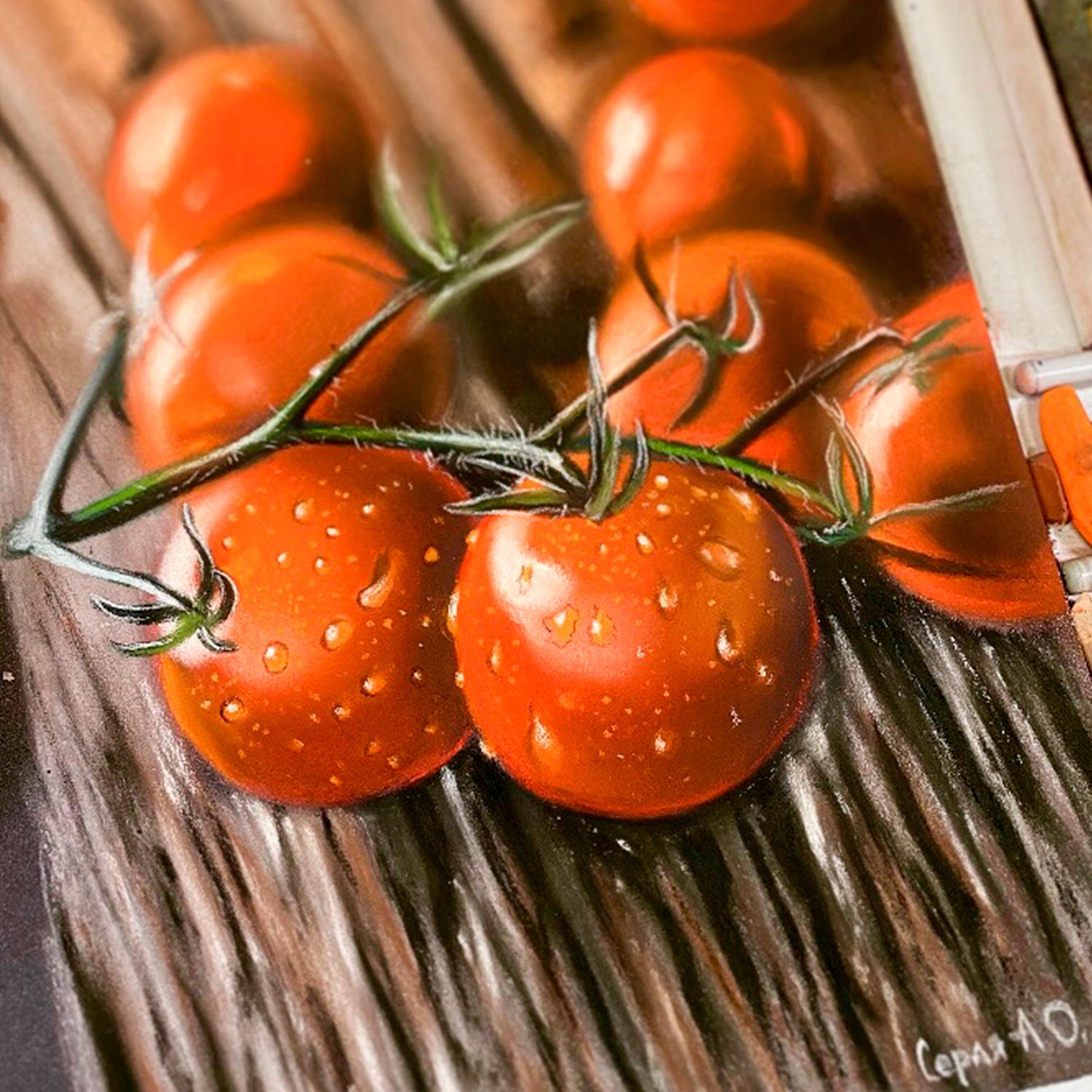
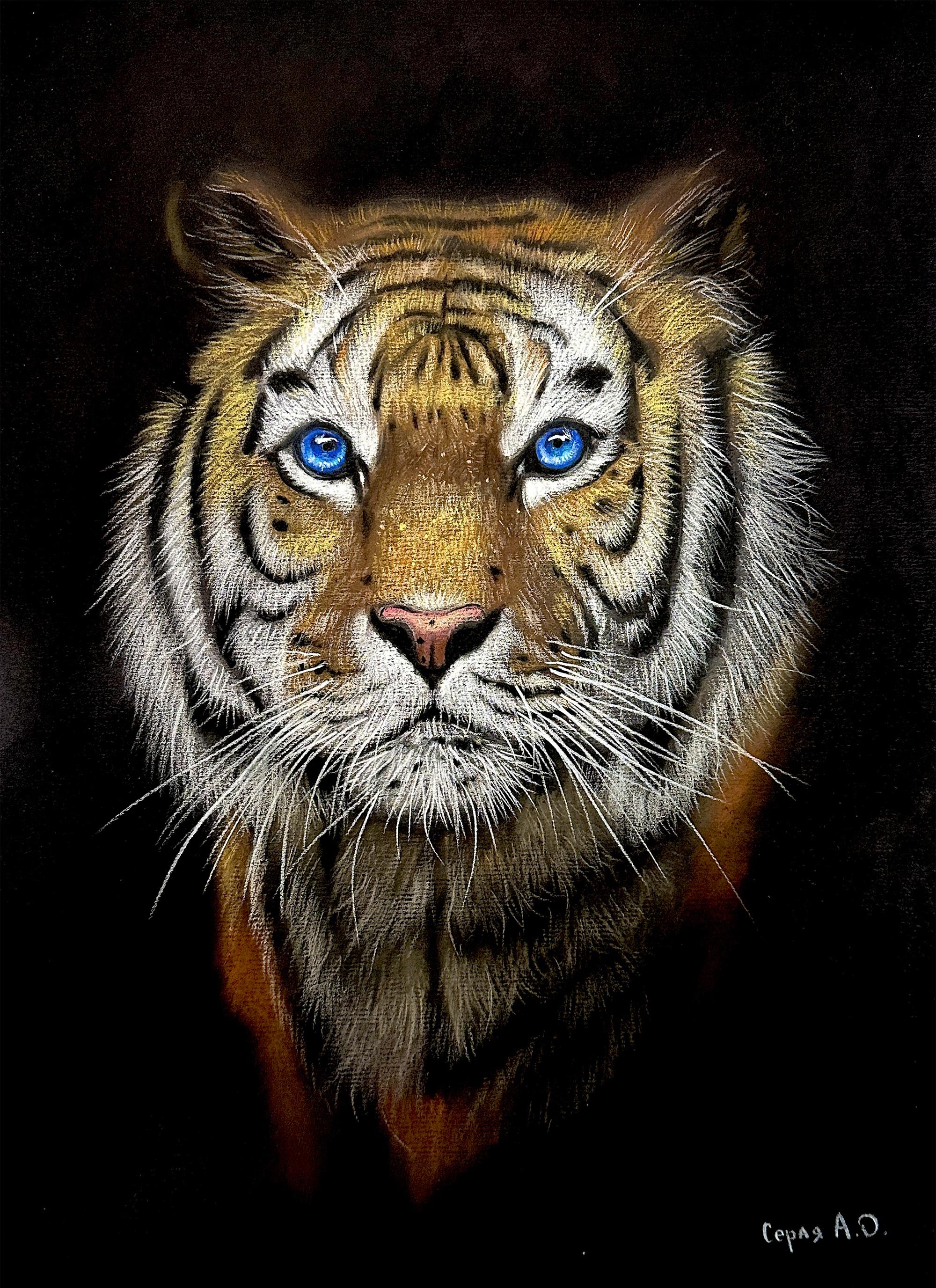
Dry pastel is the only technique where painting with your fingers is considered professionalism, not mischief. Pastel paintings captivate with their velvety texture and soft color transitions: from gentle landscapes to detailed animal portraits that gaze from the paper as if waiting to be fed. Unlike watercolor or oil, dry pastel needs no brushes or palette — you literally feel every stroke with your fingertips.
We've gathered 3 online courses in dry pastel painting — a complete path from fundamentals to realism. Start with "Dry Pastel PRO" where you'll master basic pastel techniques: color mixing, blending, composition across four genres. Then move to advanced courses with Anastasia Seraya — realistic pastel landscapes, animals, still lifes, and fashion illustration. Three courses — yet it feels like finishing art school.
Courses taught by professional artist Anastasia Seraya (pastel realism, animalistics, landscapes). Each course features step-by-step video lessons where the instructor shows the entire process from sketch to finished painting. Lifetime access — learn dry pastel at your own pace. And stock up on wet wipes. You'll need them.
3 free lessons sent to your email. One lesson per day, 24-hour access. No commitment.

12 stunning realistic dry pastel paintings in four genres: animals, still life, fashion and landscape.
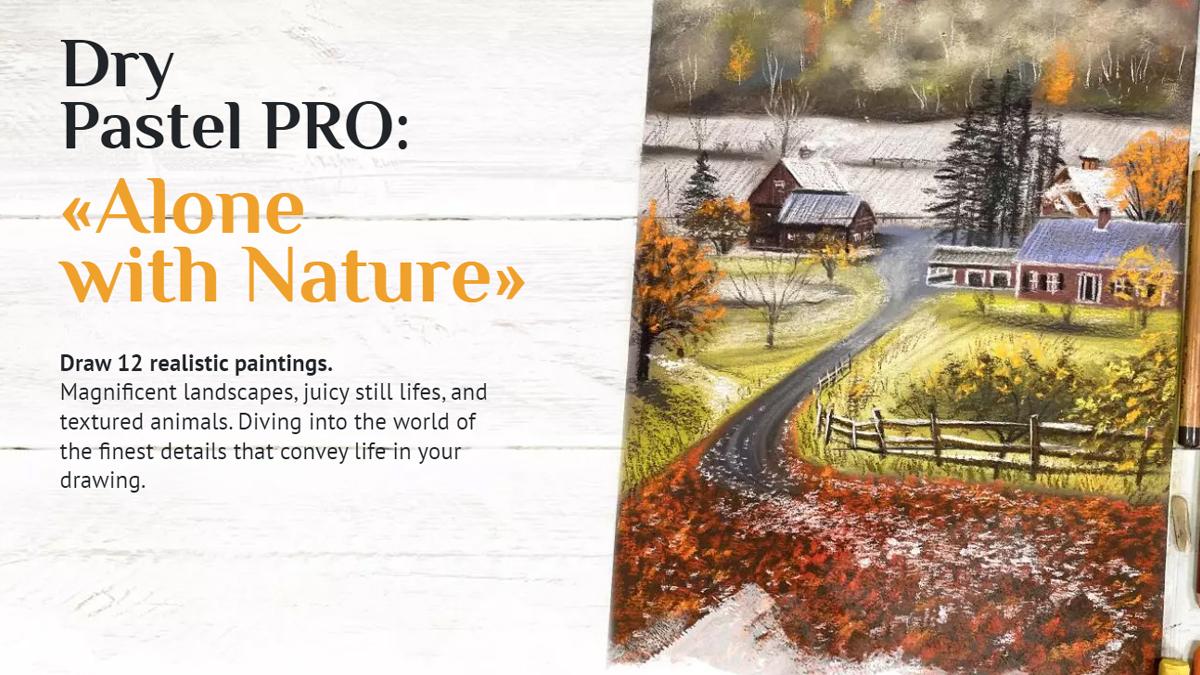
Paint 12 realistic paintings. Gorgeous landscapes, juicy still lifes and textured animals.
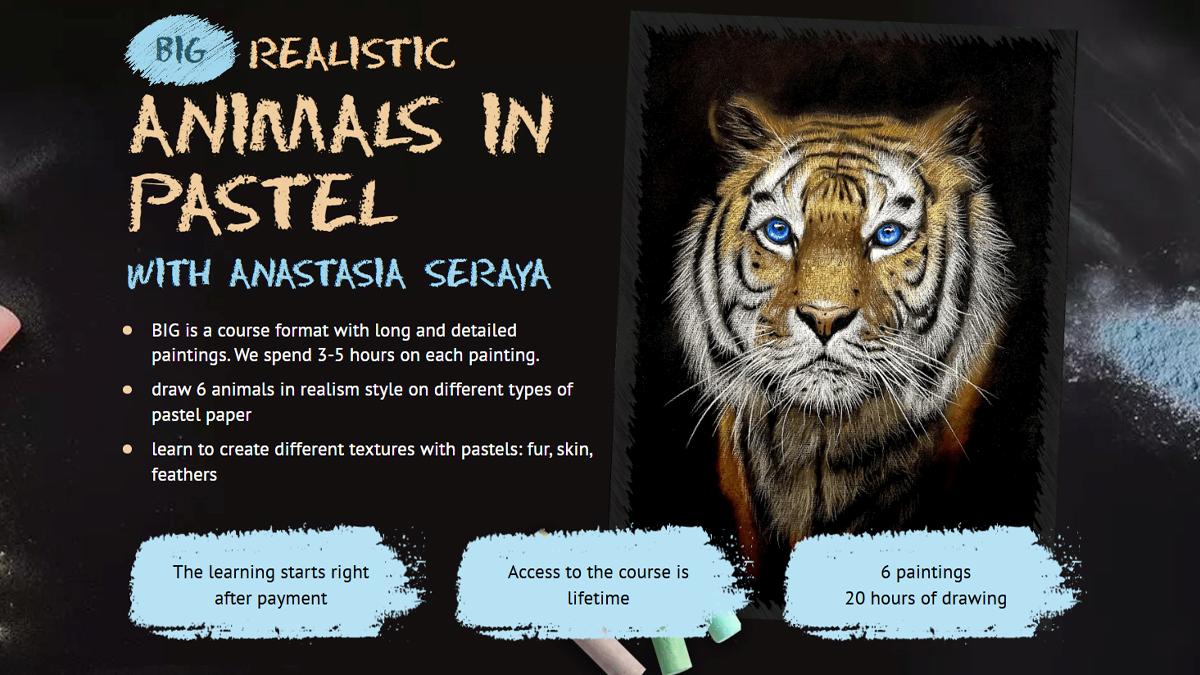
BIG format course with large detailed pastel animal paintings. 3-5 hours per painting.
Want to try before you buy?
Get 3 free lessons ↑You'll need: a set of soft dry pastels (we recommend 48-72 colors for best results), pastel paper or sanded pastel paper, blending stumps and tortillons, pastel pencils for fine details, a kneaded eraser, and fixative spray. Specific brand recommendations and full supply lists are on each course page.
Pastel is actually one of the most forgiving mediums — mistakes can be easily blended or lifted. Our "Dry Pastel PRO" course covers four genres (animals, still life, fashion, landscape) and teaches foundational techniques alongside each painting. If you've never worked with pastels before, you'll find it surprisingly intuitive.
Our PRO courses feature paintings that take 1-3 hours each, while the BIG format "Realistic Animals in Pastel" involves highly detailed work of 3-5 hours per painting. The longer time allows for building incredible depth and realism through multiple layers of pigment.
"Dry Pastel PRO" covers four genres — animals, still life, fashion, and landscape — with 12 paintings. "Dry Pastel PRO: Alone with Nature" focuses on landscapes, still lifes, and animals in nature settings with 12 paintings. "Realistic Animals in Pastel" is a BIG format course with extremely detailed animal portraits taking 3-5 hours each.
Yes! Pastel paintings should be framed under glass with a spacer (mat) to prevent the glass from touching the surface. A light coat of fixative helps protect the work. Our courses cover best practices for preserving your finished pastel paintings, including fixative application techniques.
Dry (soft) pastel consists of pure pigment with a minimal binder, producing a powdery, matte finish with incredibly rich colors. Oil pastel uses an oil and wax binder, creating a creamy, sometimes glossy texture. Our courses focus exclusively on dry pastel, which offers greater control for realistic, detailed work.